Tel
+86-13617990808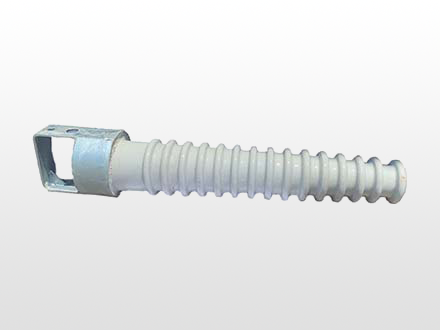
Поперечные фарфоровые изоляторы

Overview
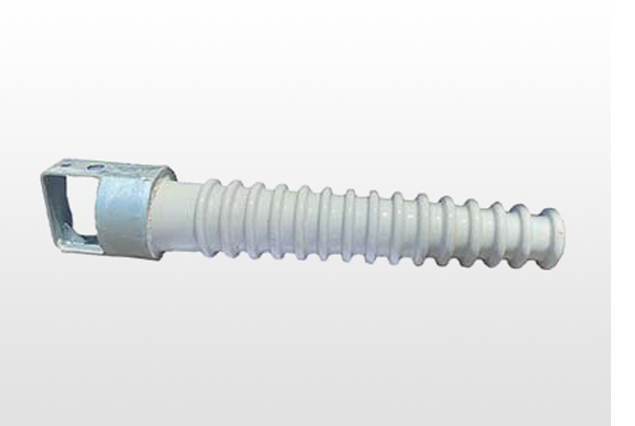
A cross-arm insulator is an electrical insulator used to support and insulate conductors (wires) in overhead power lines. It is typically mounted on cross arms—horizontal beams that extend from utility poles. These insulators are designed to provide electrical insulation between the conductors and the cross arm (or pole) while also ensuring the conductors remain securely in place.
Application
Porcelain Cross-Arms are widely trusted in overhead power lines with voltages up to 10 kV, making them the ideal choice for both rural power grids and urban distribution networks. These cross-arms offer exceptional durability and reliability across a range of environments, from mountainous regions to flat plains and urban streets. Designed to withstand diverse terrain and environmental conditions, they ensure stable, safe power distribution in any setting.
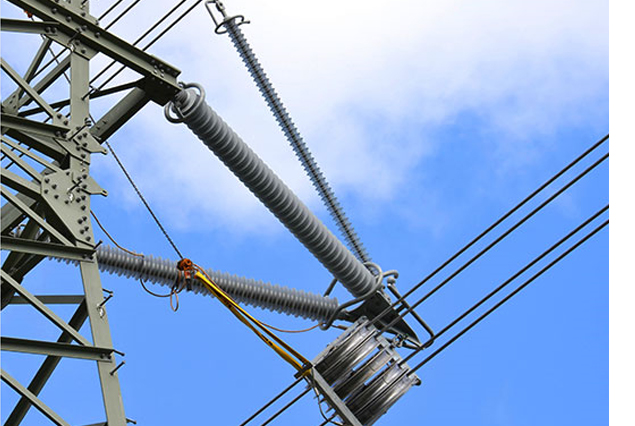
Transmission and Distribution Lines: Cross-arm insulators are crucial in overhead power distribution and transmission lines, supporting high-voltage conductors.
Utility Poles: They are used in combination with utility poles to maintain the required clearance and prevent electrical faults.
Communication Lines: In some cases, these insulators can also be used in telecommunication or low-voltage communication lines.
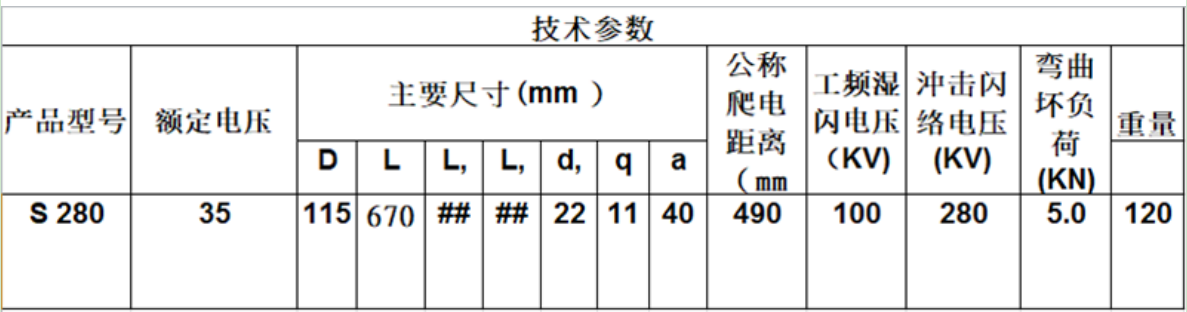
Main Dimensions and Standard Particulars
Key Features
Support for Multiple Conductors: Cross-arm insulators allow for the attachment of multiple conductors to a single pole, keeping them at a safe distance from each other and from the pole itself.
Electrical Insulation: They prevent electrical leakage between the conductors and the pole or cross arm, ensuring the safe transfer of electricity through the system.
Mounting Options: These insulators can be installed horizontally or vertically on cross arms, depending on the design and the requirements of the power system.
Material: Cross-arm insulators are typically made from durable materials like porcelain, ceramic, or composite polymers, which are resistant to environmental factors such as UV exposure, moisture, and temperature variations.
Durability and Safety: The insulators help in maintaining the integrity and safety of power lines, especially in areas where the lines face high mechanical stresses, such as at corners, turns, or intersections.
Safety and Compliance
Testing methods and equipment is critical in ensuring that insulators meet the stringent requirements for electrical performance, mechanical integrity, and environmental resilience.
Every product needs to go through many rigorous tests to ensure that each one delivered to our customers are qualified and conform to standard.
Reference Standard
ANSI standard (American National Standards Institute standard)
IEC Standard (International Electrotechnical Commission)
BS Standard (British Standard)
AS Standard (Australian Standard)
GB Standard (National Standard)
 Why Choose Us?
· Direct Supply from Factory:
We provide a direct supply from the production factory, eliminating the middleman and passing on the savings to you.
· Competitive Pricing:
Enjoy the benefits of cost-effective pricing, with no added markups from intermediaries.
· Reliable Inventory & Full Specifications:
Our extensive inventory ensures that we have the right insulator for your needs, with a wide range of specifications available.
· Rigorous Quality Control:
We maintain strict quality control standards to ensure every product meets the highest performance and safety requirements.
· Customization Available:
Need something specific? We offer customizable solutions to meet your unique requirements.

Factory-direct sales with no middlemen.
Packaging and Delivery
All insulator strings are carefully packaged to prevent damage during transit. Custom packaging options are available for bulk orders.
For more details of production lead time and logistics for delivery, please contact us for consultation.
Interested in more products? Click to explore our full range.
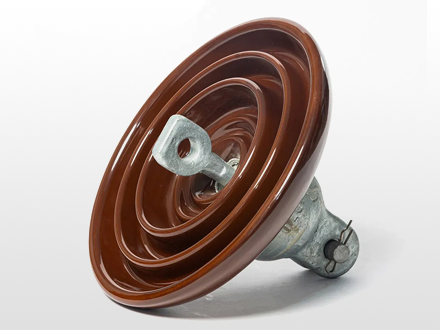
Disc Suspension Insulators are designed for high-voltage tran…
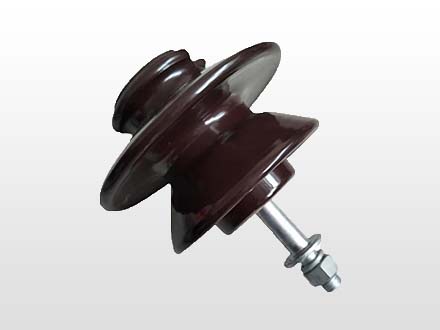
Pin insulators are most commonly used in medium-voltage trans…
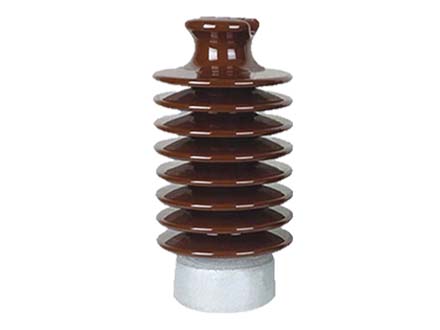
Post insulators are used in high-voltage substations, Distrib…
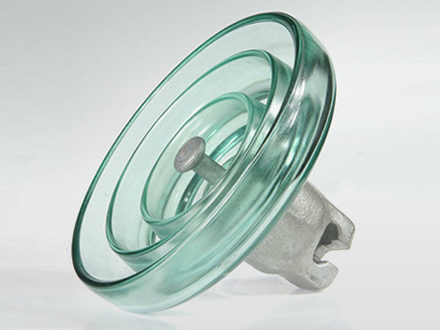
Glass Insulators
Glass insulators are commonly used in bot…
Hotline