Tel
+86-13617990808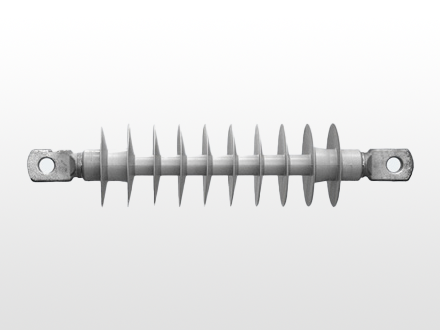

Overview
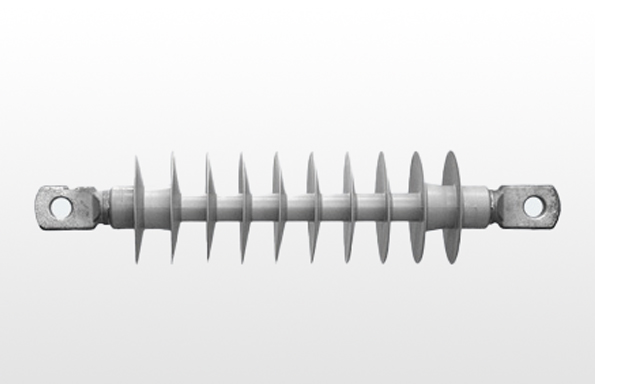
Composite insulators are a modern type of electrical insulator made from
composite materials, typically consisting of a non-ceramic core (like fiberglass
or polymer) combined with an insulating sheath made from advanced
materials such as silicone rubber or epoxy.
Product Types
Application
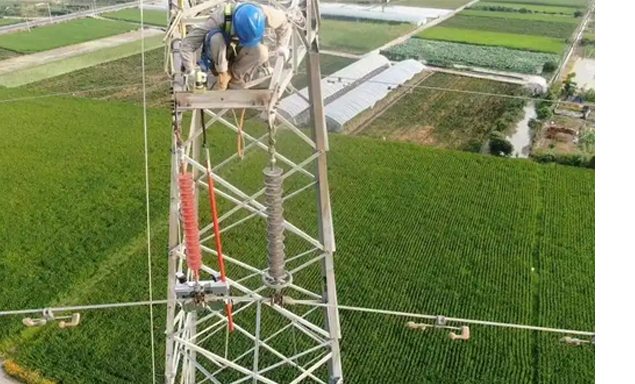
High-Voltage Transmission Lines: Composite insulators are commonly used in
high-voltage and extra-high-voltage transmission systems due to their
superior performance in challenging environmental conditions.
Distribution Networks: They are also used in distribution lines, particularly in
areas prone to salt pollution or other environmental challenges.
Renewable Energy Projects: Composite insulators are used in the
construction of solar or wind farms' electrical systems, where durability and
light weight are important.
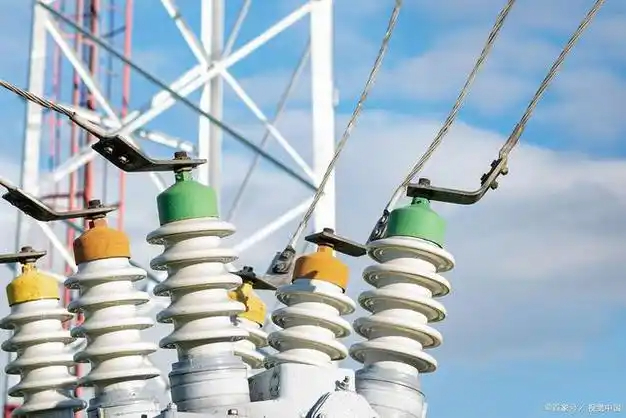
Urban and Coastal Areas: Due to their resistance to corrosion and pollution,
composite insulators are often used in cities and coastal regions where
traditional insulators might degrade faster.
Key Features of Composite Insulators:
Materials:The core is typically made of fiberglass or polymer, which provides
mechanical strength and flexibility.
The outer sheath is often made from silicone rubber, EPDM (ethylene
propylene diene monomer), or other synthetic materials that offer excellent
electrical insulating properties and resistance to environmental factors.
Lightweight: Composite insulators are much lighter than traditional porcelain
or glass insulators, which makes them easier and cheaper to transport and
install.
Corrosion-Resistant: Unlike porcelain or glass insulators, composite
insulators do not suffer from rust or corrosion, making them ideal for use in
coastal areas or harsh environments.
High-Performance in Harsh Conditions: These insulators perform well in
extreme weather conditions, including high humidity, salt fog, and polluted
environments. The materials used are resistant to contamination and
contamination-related issues like electrical tracking.
Long Service Life: Composite insulators have a long service life, thanks to
their resistance to environmental wear and tear. The outer insulating material,
such as silicone rubber, is highly resistant to UV degradation and aging.
Hydrophobic Surface: The silicone rubber used for composite insulators
typically has a hydrophobic surface, meaning it repels water, reducing the risk
of tracking and electrical leakage caused by moisture.
Safety and Compliance
Testing methods and equipment is critical in ensuring that insulators meet the stringent requirements for electrical performance, mechanical integrity, and environmental resilience.
Every product needs to go through many rigorous tests to ensure that each one delivered to our customers are qualified and conform to standard.
Reference Standard
ANSI standard (American National Standards Institute standard)
IEC Standard (International Electrotechnical Commission)
BS Standard (British Standard)
AS Standard (Australian Standard)
GB Standard (National Standard)

Why Choose Us?
· Direct Supply from Factory:
We provide a direct supply from the production factory, eliminating the middleman and passing on the savings to you.
· Competitive Pricing:
Enjoy the benefits of cost-effective pricing, with no added markups from intermediaries.
· Reliable Inventory & Full Specifications:
Our extensive inventory ensures that we have the right insulator for your needs, with a wide range of specifications available.
· Rigorous Quality Control:
We maintain strict quality control standards to ensure every product meets the highest performance and safety requirements.
· Customization Available:
Need something specific? We offer customizable solutions to meet your unique requirements.

Shipped directly from the factory to customers
Packaging and Delivery
All insulator strings are carefully packaged to prevent damage during transit. Custom packaging options are available for bulk orders.
For more details of production lead time and logistics for delivery, please contact us for consultation.
For more products, please click on the following link
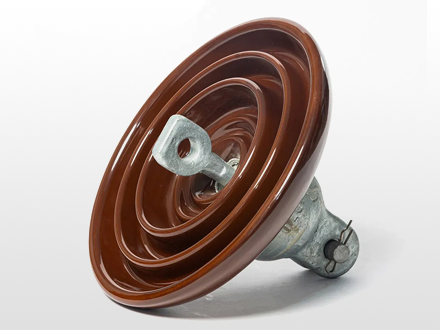
Disc Suspension Insulators are designed for high-voltage tran…
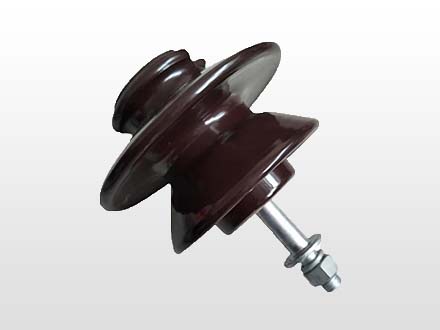
Pin insulators are most commonly used in medium-voltage trans…
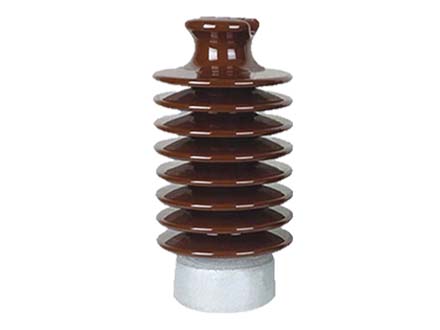
Post insulators are used in high-voltage substations, Distrib…
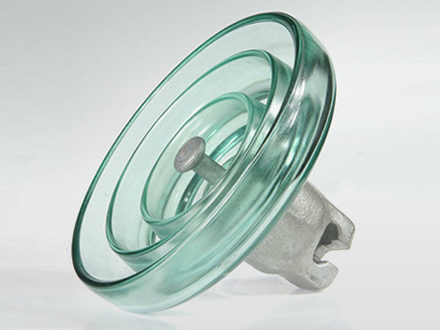
Glass Insulators
Glass insulators are commonly used in bot…
Hotline